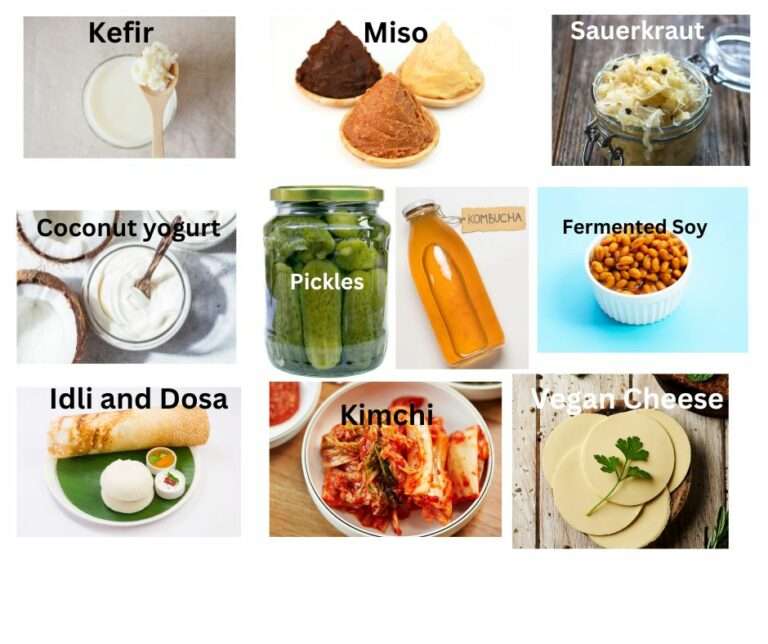
How many probiotic foods do you know that a vegan can eat? If you are a vegan and have no idea what to eat, then you have come to the right place, as this article is going to help you in such a case.
In addition to probiotic supplements, there are many vegan probiotic foods you can incorporate into your diet to support your gut health. These foods contain live beneficial bacteria that can help maintain a healthy microbiome.
In this article, we will see
1) 10 vegan probiotics foods and
2) 7 best probiotics in the market that you can consider buying
First things first,
Who are Vegans?
Those who do not eat animal products, fish, meat, seafood, honey, or dairy products and eat only plant-based foods are considered Vegans. Those who practice veganism do not consume animal-based foods or products derived from animals, such as milk or eggs, because they try to live as much as possible in a way that avoids exploiting and being cruel to animals.
What are Probiotics?
Probiotics help to balance the bacteria in our gut, which can have a positive effect on our overall health and well-being. You should eat probiotics as they improve digestion, build immunity, control inflammation, and improve mental Health.
Now, let us move to our topic, which is the vegan probiotic foods. So, here are 10 foods that will provide enough probiotics that, if regularly consumed, you don’t have to take any probiotic supplements.
10 Vegan Probiotics Foods
Here are 10 vegan probiotic foods that you can incorporate into your diet.
1. Kimchi
Kimchi is a Korean dish made from fermented vegetables, primarily Napa cabbage and Korean radishes, seasoned with various spices. The same lactobacilli bacteria found in yogurt and other fermented dairy products are also found in kimchi. These good bacteria will help you with indigestion and gut-related problems.
2. Pickles
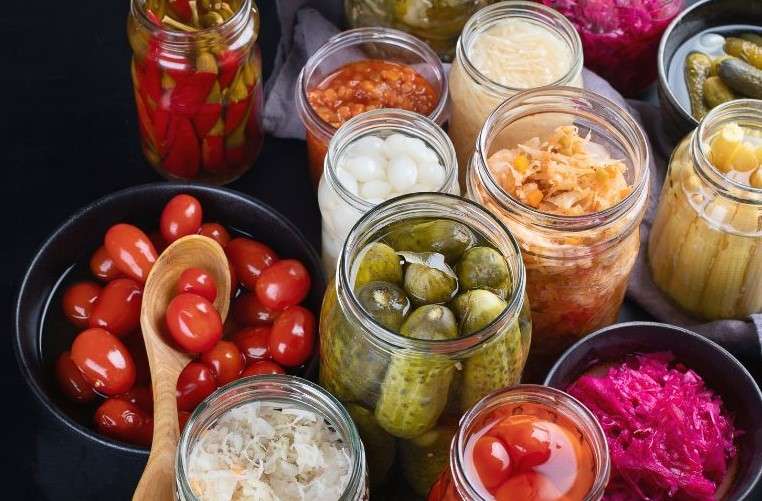
Pickles made through natural fermentation (not with vinegar) can contain live probiotics. The fermentation process involved in pickling also promotes the growth of beneficial bacteria, which can improve gut health and digestion. Look for pickles in the refrigerated section of the store.
3. Fermented Soy Products
Foods like tempeh and natto are fermented soy products that contain probiotics. Tempeh is made from whole soybeans fermented with the fungus Rhizopus oligosporus, and natto is made from fermented soybeans.
4. Coconut Yogurt
This yogurt is perfect if you are avoiding dairy, as it is made from delicious coconut milk. Several brands offer vegan coconut yogurt with probiotic cultures, similar to dairy yogurt. Look for options with live active cultures.
5. Kombucha
Kombucha is both vegan and vegetarian. It is made by fermenting tea using specific yeast, bacteria, and sugars. Kombucha is a fermented tea that can contain live probiotic cultures. Be sure to choose varieties that have not undergone excessive pasteurization.
6. Miso
Miso is a traditional Japanese seasoning made by fermenting soybeans with salt and koji, a type of fungus. It is often used in soups and dressings.
7. Vegan Fermented Cheese
Some vegan cheeses are made through fermentation and contain probiotics. Such as pea protein and oats cheese also involve microbes, cultures, and enzymes along with a proprietary fermentation process.
8. Kefir
Basically, Kefir is made with cow’s milk and is not suitable for vegans, as they do not eat any dairy products. But, there is also a plant-based range of kefirs available in the market, such as oat-based drinks fermented with billions of vegan kefir cultures. Products like fermented nuts and seed yogurts can also be sources of vegan probiotics.
9. Traditional Idli and Dosa
These South Indian fermented rice and lentil dishes are rich in probiotics due to the fermentation process. Idlis and dosas are made by soaking rice and urad dal overnight and then making a batter and adding salt to it. Idlis are made in an idli cooker, while dosas are made by spreading the batter into a pan.
10. Sauerkraut
This fermented cabbage dish is rich in Lactobacillus bacteria, which can be beneficial for your gut. Look for sauerkraut that hasn’t been pasteurized, as pasteurization can kill the live probiotics.
When consuming these foods for their probiotic benefits, it’s essential to choose products that state they contain live and active cultures. Additionally, be mindful of the salt content, as some fermented foods can be high in sodium. Incorporating a variety of these vegan probiotic foods into your diet can help support a diverse and healthy gut microbiome.
When looking for vegan probiotics, it’s essential to choose products that do not contain any animal-derived ingredients. Probiotics are beneficial bacteria that can support your gut health and overall well-being.
5 Best Vegan Probiotics available in the market
Here are the 7 best vegan probiotics available in the market that you can choose from.
1. Nutravita Probiotics Cultures:- This is a Probiotic with 60 Billion CFU. It contains 60 capsules that are easy to swallow and provide better absorption with magnesium as a primary supplement.
2. Renew Life Ultimate Flora Probiotic: Renew Life offers a vegan-friendly probiotic supplement with a variety of strains to support gut health.
3. Bio Cultures Complex: This diverse formulation is designed to complement the body’s natural microbiome and promote overall gut balance.
4. VitaBright Bio Cultures Complex Probiotics for Women & Men: VitaBright offers a vegetarian probiotic supplement that has 45 billion CFU 60 Probiotic Capsules.
5. NutriZing Bio Cultures Complex Probiotics:- NutriZing guarantees 30 billion live bacterial cultures per serving, designed to last until the end of shelf life. There are no chemicals or harmful additives, and they are made in the UK as per GMP standards. These probiotics are also free from wheat, gluten, soy, and dairy.
When choosing a vegan probiotic, consider the specific strains, colony-forming units (CFUs), and any additional ingredients that may benefit your individual health needs. It’s always a good idea to consult with a healthcare professional before starting any new supplement to ensure it’s appropriate for your unique health situation.
Conclusion
Incorporating vegan probiotic foods into your diet can be a delicious and natural way to support your gut health. These plant-based options provide live and active beneficial bacteria that contribute to a balanced and thriving gut microbiome. From tangy sauerkraut and spicy kimchi to creamy coconut yogurt and fermented soy products, there is a wide array of vegan probiotic foods to choose from.
When selecting these foods, remember to look for live cultures, as the pasteurization process can eliminate probiotics. Also, be mindful of salt content in some fermented foods. A diverse diet that includes various sources of vegan probiotics can help promote a healthy gut, which, in turn, can have a positive impact on your overall well-being. So, explore these vegan probiotics options and enjoy the numerous benefits they offer for your digestive and immune systems.
5 Foods With High Probiotics For Vegetarians

I found your blog post on vegan probiotics foods to be incredibly informative and well-researched. It’s great to have a resource that highlights plant-based options for maintaining gut health. Have you personally noticed significant improvements in your digestive well-being after incorporating these foods into your diet? I’d love to hear about any positive experiences you’ve had with vegan probiotics.
I appreciate how you’ve included a variety of options, from fermented foods to supplements, catering to different preferences and lifestyles. It’s a comprehensive guide for anyone looking to boost their gut health while following a vegan diet. Additionally, your emphasis on balance and moderation is a crucial reminder – it’s about incorporating these foods in a sustainable and enjoyable way. Thank you for sharing such valuable insights!
Thanks for the appreciation. Happy that you liked the post.